
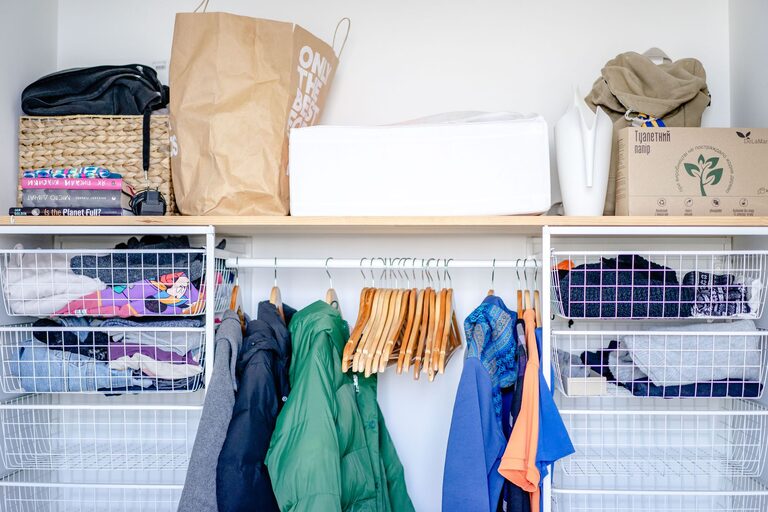
Storing seasonal clothes can quickly become a challenge, especially if you have limited closet space or a growing wardrobe. Efficient storage not only saves room but also helps keep your clothes in good condition, ready to wear when the season returns. Whether you’re packing away winter sweaters or summer dresses, following the right steps can make a big difference.
In this post, we’ll explore practical tips and ideas to store your seasonal clothes efficiently and keep your wardrobe organized throughout the year.
Why Store Seasonal Clothes Properly?
Storing clothes properly prevents damage caused by moisture, dust, pests, and wrinkles. It also frees up much-needed space in your daily wardrobe area, making it easier to find and maintain the clothes you’re currently using. Plus, well-stored clothes last longer, saving you money over time.
Step 1: Sort and Declutter
Before packing away seasonal clothes, take the time to sort through them.
– Assess condition: Check for any stains, tears, or worn-out areas.
– Decide what to keep: Donate or sell items you no longer wear or need.
– Group by type: Organize shirts, pants, dresses, and accessories separately.
Sorting helps reduce the volume to store and ensures you’re only keeping items you love and will wear again.
Step 2: Clean Your Clothes
Never store clothes dirty, as stains can set and pests are attracted to food or sweat residues. Wash or dry clean your seasonal clothes before packing.
– Follow care labels: Use the recommended washing methods to avoid damage.
– Air dry completely: Make sure clothes are fully dry to prevent mildew.
– Iron or steam: Remove wrinkles to save space and reduce creasing.
Clean clothes not only stay fresh but also reduce the risk of attracting moths or odors.
Step 3: Choose the Right Storage Containers
The containers you use play an important role in protecting your clothes.
Types of storage options:
– Plastic bins with lids: These protect from moisture and dust. Choose clear bins for easy identification.
– Vacuum-seal bags: Great for bulky items like winter coats and sweaters, these save space by compressing clothes.
– Fabric garment bags: Perfect for delicate or hanging clothing to avoid crushing.
– Storage boxes: Decorative boxes can work for smaller items like scarves or gloves.
Avoid cardboard boxes for long-term storage, as they can attract pests and absorb moisture.
Step 4: Use Space-Saving Techniques
Efficient packing methods maximize your storage space:
– Roll clothing: Rolling instead of folding reduces wrinkles and saves room.
– Bundle wrapping: Wrap items around a core garment to minimize creases.
– Layer delicate fabrics: Place tissue paper between delicate items to protect fabric.
– Stack wisely: Put heavier items at the bottom and lighter clothes on top.
Using these techniques helps keep your clothes organized and in good shape.
Step 5: Protect Against Moths and Pests
Moths and insects are a common problem when storing clothes long term.
– Use cedar blocks or sachets: Natural repellents like cedarwood help keep pests away.
– Lavender bags: Another fragrant and effective option.
– Store clothes clean and dry: As mentioned earlier, this reduces the attraction for pests.
– Check periodically: Inspect stored clothes every couple of months to catch any issues early.
Avoid mothballs if possible, as their strong odor can linger and some people find them harmful.
Step 6: Label and Organize
Clear labeling saves time when you’re ready to retrieve your clothes next season.
– Label containers: Specify contents like “Winter Sweaters” or “Summer Dresses.”
– Create an inventory list: Keep a simple list of stored items to avoid forgetting what you have.
– Group by season and category: Store all similar items together for faster access.
This approach reduces frustration and keeps your storage system efficient.
Step 7: Find the Right Storage Location
Where you store your seasonal clothes is as important as how you store them.
– Choose a cool, dry place: Avoid damp basements or humid attics to prevent mold.
– Keep away from direct sunlight: Sunlight can fade fabrics over time.
– Ensure good ventilation: A space with airflow helps prevent musty smells.
– Elevate containers off the floor: Use shelves or pallets to protect against potential water damage.
Selecting an ideal location helps maintain the quality of your clothes.
Bonus Tips: Maintaining Your Seasonal Clothes
– Refresh clothes before wearing: Air out and spot clean items before bringing them back into daily use.
– Rotate storage: Keep an eye on clothing condition and replace or repair items as needed.
– Use storage year-round: Keep your closet uncluttered by regularly rotating items out.
By incorporating these habits, your wardrobe stays organized, and your clothes stay in great shape.
—
Efficiently storing seasonal clothes doesn’t have to be complicated. With these organized steps—sorting, cleaning, choosing the right containers, protecting against pests, and finding a suitable storage space—you can save room, protect your garments, and enjoy a tidy, manageable wardrobe all year long. Happy organizing!