
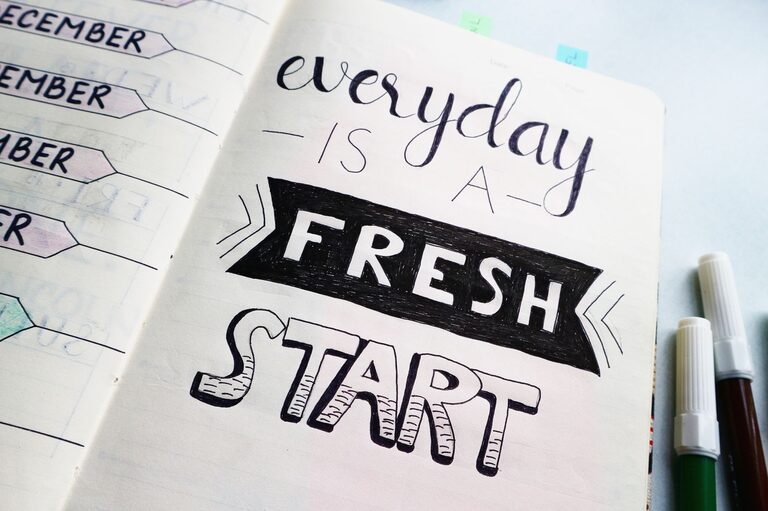
Creativity isn’t just for artists or writers—it’s a valuable skill that anyone can develop and enjoy. Whether you want to approach problems in new ways, bring fresh ideas to work, or simply add more joy and excitement to your daily routine, practicing creativity regularly can help. The good news is, you don’t need a big budget or special training to get started. Here are simple, effective ways to nurture your creative side every day.
Why Practice Creativity Every Day?
Creativity helps us think outside the box, solve problems more effectively, and express ourselves uniquely. Daily creative practice can reduce stress, improve mental clarity, and boost confidence. Like a muscle, the more you exercise your creativity, the stronger it becomes.
1. Keep a Daily Journal
Writing in a journal is one of the simplest ways to spark creativity. It doesn’t have to be a perfect story or poem—just jot down your thoughts, observations, or ideas.
– Set aside five minutes each morning or evening to write freely.
– Use prompts like “Today I noticed…” or “An idea I want to explore is…”
– Sketch or doodle alongside your writing if that feels natural.
This habit helps you connect with your inner thoughts and often leads to new insights or inspiration.
2. Try a New Hobby or Skill
Stepping outside your comfort zone and learning something new can unlock creative thinking.
– Take up photography, cooking, or gardening.
– Experiment with a musical instrument or a craft like knitting or painting.
– Use online tutorials or local classes as a starting point.
When you challenge your brain in new ways, you build pathways that make creative thinking easier and more natural.
3. Use Mindfulness and Observation
Creativity starts with awareness. Practice being fully present and noticing the world around you.
– Take a short walk without your phone, focusing on sights, sounds, and smells.
– Observe people, nature, or even everyday objects—notice details you might usually overlook.
– Write down or sketch what you find interesting or unusual.
Mindfulness sharpens your focus and can help you come up with fresh ideas inspired by your surroundings.
4. Set Small, Manageable Goals
Sometimes creativity feels intimidating because we set big, vague goals. Break it down instead.
– Aim to write one sentence, sketch one shape, or come up with one idea per day.
– Gradually increase your goals as your confidence grows.
– Celebrate small wins to keep motivation high.
Small steps make creativity feel doable and fun instead of overwhelming.
5. Embrace Play and Experimentation
Creativity thrives in a playful mindset. Give yourself permission to explore without judgment.
– Try brainstorming with no “bad ideas”—write everything down.
– Mix different materials, tools, or mediums to see what happens.
– Play games that encourage imagination, like word association or drawing challenges.
Play reduces pressure and often leads to surprising breakthroughs.
6. Surround Yourself with Inspiration
Your environment plays a big role in fostering creativity.
– Decorate your workspace with images, quotes, or objects that inspire you.
– Listen to music that helps you focus or lifts your mood.
– Read books, watch films, or visit places that spark your imagination.
Creating an inspiring space sets the stage for creative thinking throughout your day.
7. Collaborate and Share Ideas
Talking with others and exchanging ideas can open up new perspectives.
– Join a creative group or online community.
– Share your work or ideas with friends or colleagues.
– Ask for feedback or brainstorm together.
Collaboration fuels creativity by blending different viewpoints and experiences.
8. Limit Distractions and Unplug
Our brains need quiet and focus to be creative.
– Set aside time each day to disconnect from devices and social media.
– Use that time to think, daydream, or create without interruptions.
– Try techniques like the Pomodoro method to balance focused work and breaks.
Reducing distractions helps your mind wander in productive ways.
9. Practice Gratitude and Positive Thinking
A positive mindset encourages creative risk-taking and persistence.
– Write down three things you’re grateful for each day.
– Replace self-criticism with encouraging thoughts.
– View mistakes as learning opportunities rather than failures.
When you believe in your creative potential, you’re more likely to experiment and grow.
10. Reflect and Review Your Progress
Creativity evolves, so it’s helpful to look back and see how far you’ve come.
– Keep samples of your creative work, even unfinished pieces.
– Notice patterns or themes that emerge.
– Adjust your practice habits based on what works best for you.
Reflection keeps your creative journey meaningful and rewarding.
—
Final Thoughts
Creativity is an everyday skill that anyone can develop with simple habits and a little practice. Start small, stay curious, and enjoy the process. You might be surprised at how much more creative you feel, and how that creativity enriches your life in unexpected ways. Remember, the goal isn’t perfection but exploration and expression. So pick one of these strategies to try today, and watch your creative spark grow brighter with each passing day.