
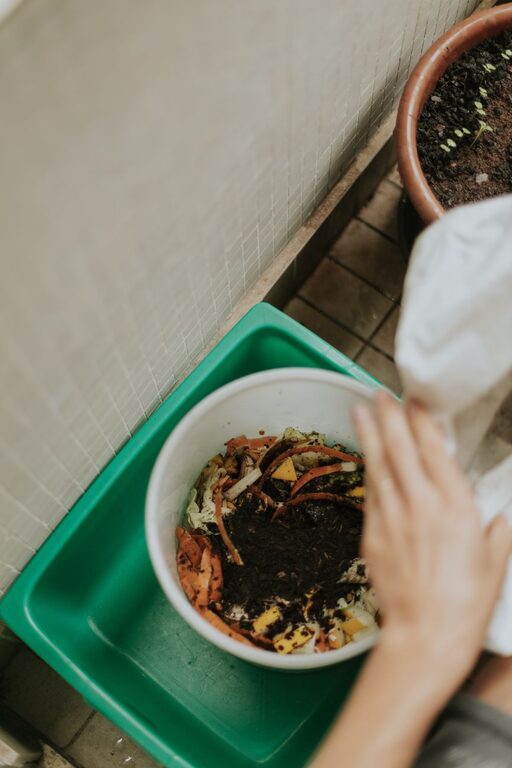
Composting at home is a rewarding way to reduce household waste while creating nutrient-rich soil for your garden. Whether you have a big backyard or a small balcony, composting can fit into your lifestyle and help you contribute to a healthier environment. If you’re new to composting, this guide offers beginner-friendly tips to get you started easily and successfully.
What Is Composting?
Composting is the natural process of breaking down organic materials, such as food scraps and yard waste, into a dark, crumbly substance known as compost. This compost enriches soil, helping plants grow strong and healthy. Instead of tossing food scraps and garden waste into the trash, composting turns them into valuable resources for your garden.
Benefits of Composting at Home
– Reduces landfill waste: Composting diverts organic waste from landfills, where it produces methane, a harmful greenhouse gas.
– Improves soil health: Compost adds nutrients and improves soil structure, increasing water retention and supporting plant growth.
– Saves money: By enriching your soil naturally, compost reduces the need for chemical fertilizers.
– Supports sustainability: Composting is an eco-friendly practice that helps close the nutrient loop and reduce your carbon footprint.
Getting Started: Choose Your Composting Method
There are several ways to compost at home. Choose one that fits your space, lifestyle, and goals.
1. Traditional Compost Bin
A compost bin is a contained space where you add organic materials. You can buy a ready-made bin or make your own. This option suits people with yards and some space.
2. Compost Tumbler
A compost tumbler is a rotating container that speeds up the composting process by mixing the materials regularly. It’s compact and easier to manage but can be more costly.
3. Vermicomposting (Worm Composting)
This method uses worms to break down food scraps in a bin. Vermicomposting works well indoors or in small spaces and produces rich worm castings, an excellent fertilizer.
4. Bokashi Composting
Bokashi uses fermentation with special microbes in a sealed container to process food waste quickly, including meat and dairy, which traditional composting doesn’t accept. This method requires a bit more effort but is effective for kitchen waste.
What to Compost: Green and Brown Materials
Successful composting depends on balancing “green” and “brown” materials.
– Green materials: These are rich in nitrogen. Examples include vegetable scraps, coffee grounds, grass clippings, and fresh garden waste.
– Brown materials: These provide carbon. Examples include dry leaves, paper, cardboard, straw, and small branches.
A good ratio to aim for is about 2-3 parts brown to 1 part green. This balance helps the compost pile break down efficiently and reduces odors.
What Not to Compost
Avoid adding the following to your compost pile:
– Meat, fish, and dairy products (except with Bokashi)
– Oils and greasy foods
– Pet waste
– Diseased plants
– Invasive weeds or plants treated with pesticides
These can cause odors, attract pests, or introduce pathogens.
Step-by-Step Composting Tips for Beginners
Step 1: Pick a Spot
Choose a well-drained spot with good air circulation. It can be a shady or partly sunny area to maintain moisture levels.
Step 2: Start Your Pile or Bin
Begin your compost with a layer of coarse materials like twigs or straw. This helps air circulate from the bottom.
Step 3: Add Materials Regularly
Add green and brown materials in alternating layers. Chop or shred larger pieces to speed decomposition.
Step 4: Keep It Moist
The pile should be as damp as a wrung-out sponge. Water occasionally if it becomes dry.
Step 5: Turn the Pile
Aerate your compost by turning it every 1–2 weeks with a garden fork or by rotating the tumbler. This provides oxygen, which speeds up decomposition.
Step 6: Watch and Wait
Within a few weeks to months, the pile will heat up and shrink. When it looks dark, crumbly, and smells earthy, your compost is ready.
Troubleshooting Common Composting Issues
– Bad odor: Usually from too much green material or lack of air. Add more browns and turn the pile.
– Pile too dry: Add water and green materials.
– Pile too wet or slimy: Add more brown materials and turn to aerate.
– Slow decomposition: Chop materials finely, balance greens and browns, and turn more often.
Using Your Finished Compost
Once fully decomposed, compost can be mixed into garden beds, used as mulch, or added to potting soil. It improves soil fertility and helps retain moisture—perfect for healthy plants!
Final Thoughts
Starting composting at home is simple and benefits both your garden and the environment. With patience and regular care, you can transform everyday waste into black gold for your plants. Remember to balance your materials, keep your pile moist and aerated, and enjoy the rewards of your composting efforts!
Happy composting!