
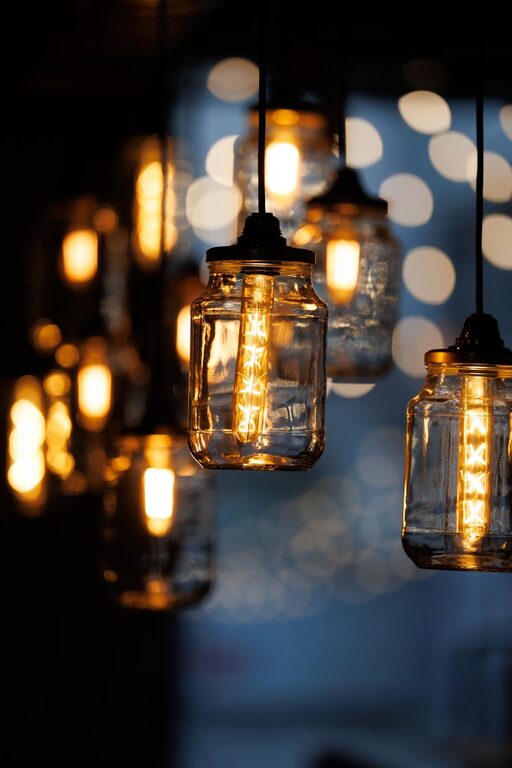
Creating a comfortable home environment goes beyond furniture and décor—it also involves the way your space is lit. Proper lighting plays a crucial role in how cozy and welcoming your home feels. Whether you’re reading, cooking, relaxing, or entertaining, choosing the right lighting can make a big difference. This guide offers practical tips to help you select comfortable home lighting that fits your lifestyle and enhances your space.
Why Comfortable Lighting Matters
Lighting affects mood, productivity, and even health. Harsh or dim lighting can cause eye strain and discomfort, while layered, well-thought-out lighting makes rooms feel inviting and functional. Comfortable lighting means finding the right balance between brightness, warmth, and placement.
Understand Different Types of Lighting
Before choosing fixtures or bulbs, it’s important to understand the three main types of lighting:
1. Ambient Lighting
This is the general, overall light in a room. Ceiling fixtures, chandeliers, or recessed lights typically provide ambient lighting. It should be bright enough to navigate the space safely but not overpowering.
2. Task Lighting
Task lighting targets specific areas where you perform activities like reading, cooking, or applying makeup. Desk lamps, under-cabinet kitchen lights, and vanity lights are common examples. Choose lighting that reduces shadows and glare.
3. Accent Lighting
Accent lighting highlights architectural features, artwork, or décor. Use wall sconces, track lights, or LED strips to add depth and interest without increasing the room’s overall brightness too much.
Tips for Selecting Comfortable Home Lighting
Pick the Right Bulb Color Temperature
Light bulbs come in various color temperatures measured in Kelvins (K). For a comfortable home environment:
– Warm White (2700K–3000K): Produces a cozy, yellowish light similar to traditional incandescent bulbs. Ideal for living rooms and bedrooms.
– Neutral White (3500K–4100K): Offers a balance between warm and cool light, suitable for kitchens or bathrooms.
– Cool White (5000K+): Bright and more bluish, good for workspaces but can feel harsh if used all the time.
Warm white bulbs are generally preferred for creating relaxing, inviting spaces.
Consider Dimmable Fixtures
Dimmers let you adjust the light intensity according to the time of day or activity. Lower light levels in the evening can help create a calming atmosphere, while brighter light is better for tasks. Make sure to use bulbs compatible with dimmer switches.
Layer Your Lighting
Avoid relying on a single overhead light. Combine ambient, task, and accent lighting to give your rooms flexibility. For example, use overhead lights for general illumination plus table lamps or floor lamps for reading corners.
Mind the Placement
Lighting placement impacts comfort. Avoid direct glare by positioning lights away from eye level or using shades and diffusers to soften the light. In work areas, place task lighting where it won’t cast shadows on your workspace.
Choose Fixtures That Complement Your Style
Lighting fixtures also contribute to the room’s look and feel. Select designs and finishes that blend with your décor while serving functional purposes. For example, fabric lamp shades soften light, while clear glass provides a brighter glow.
Use Energy-Efficient Bulbs
For sustainable comfort, opt for LED bulbs. They use less electricity, last longer, and come in a variety of brightness and color options. LEDs also produce less heat, enhancing comfort in warmer seasons.
Room-by-Room Lighting Tips
Living Room
This multi-purpose space benefits from layered lighting. Use a central ceiling fixture for ambient light. Add floor or table lamps for reading and accent lighting to highlight artworks or plants.
Kitchen
Bright and clear lighting is essential here. Combine bright overhead lights with under-cabinet task lights on countertops. Consider adjustable fixtures to focus light where needed.
Bedroom
Choose warm, dimmable lighting to create a soothing environment. Bedside lamps with adjustable brightness allow for reading without disturbing your partner.
Bathroom
Bright and even lighting is key. Use vanity lights around mirrors to reduce shadows. A combination of overhead and task lighting works best.
Final Thoughts
Comfortable home lighting is about balance, flexibility, and understanding your space’s needs. By selecting the right bulbs, layering different types of lighting, and carefully placing fixtures, you can create a home that feels both beautiful and welcoming. Remember to consider energy efficiency and aesthetics to make lighting choices that enhance daily living while saving on energy costs.
Lighting is an easy and impactful way to transform your home—start experimenting with these tips to find what works best for you!